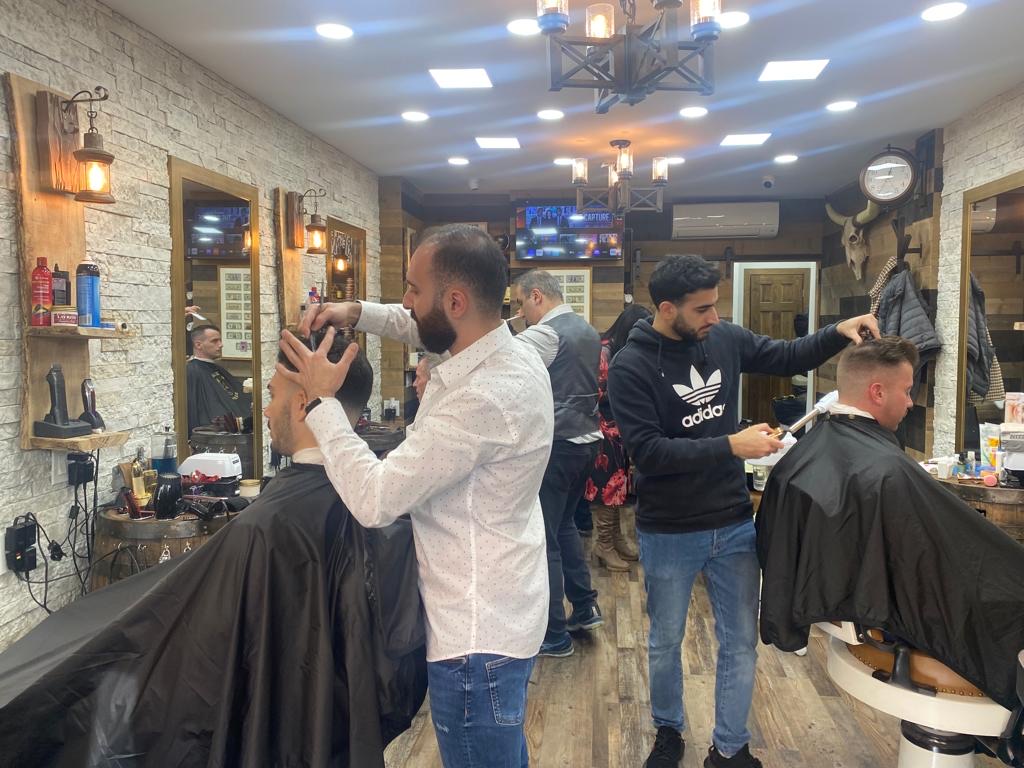
Exploring the History of Men’s Haircut Styles

Exploring the History of Men’s Haircut Styles

Explore the history of men’s haircut styles and discover how trends have evolved over the decades. This comprehensive guide highlights iconic looks and their cultural significance throughout time.

What influences did the pompadour haircut have on 20th-century male fashion trends?

The pompadour haircut significantly influenced 20th-century male fashion trends by establishing a bold and stylish aesthetic that emphasized volume and sophistication. Originating in the 18th century but revitalized during the mid-1900s, this hairstyle became synonymous with various cultural movements, particularly among rockabilly musicians and icons like Elvis Presley, who popularized it further in the 1950s. The pompadour's characteristic height at the front showcased an appeal for meticulous grooming and precision styling, inspiring men to adopt products such as pomades and gels that offered hold while enhancing shine. This shift towards more flamboyant hairstyles coincided with broader societal changes where masculinity was redefined through fashion choices; thus, other styles emerged featuring slicked-back looks or side parts influenced by this trend. Additionally, film stars of the era often sported variations of the pompadour on screen—reinforcing its status as a fashionable choice—and encouraging everyday men to emulate these glamorous figures in their daily lives. As decades progressed into punk rock aesthetics of the late '70s and early '80s, adaptations of the classic pompadour continued to thrive within subcultures seeking rebellion against mainstream norms while still nodding back to its original elegance—a testament to its lasting impact on men's grooming standards throughout modern history.

Barbershop treatments provide a refreshing way to enhance your grooming routine while promoting relaxation. By indulging in these specialized services, you can achieve not only a polished look but also an improved sense of well-being. To delve deeper into the benefits and options available for barbershop treatments, visit exploring modern haircut styles

How did the emergence of the flattop style reflect cultural shifts in masculinity during the late 1980s?

The emergence of the flattop hairstyle in the late 1980s reflected significant cultural shifts in masculinity, showcasing a move towards more assertive and bold expressions of male identity. This style was often associated with confidence and strength, embodying traits that were highly valued during this period, such as toughness and independence. The flattop became a popular choice among various subcultures, including urban youth influenced by hip-hop culture and military aesthetics; it represented not just personal style but also an alignment with certain ideals of manhood that emphasized dominance and control. As societal norms began to challenge traditional views on masculinity—moving away from soft or long hairstyles typically linked to past generations—the flattop emerged as a symbol of rebellion against outdated perceptions while embracing modernity through its clean lines and geometric shape. Additionally, media portrayals in music videos, television shows, and films depicted masculine figures sporting this hairstyle as role models for young men seeking authenticity within their identities. Consequently, the rise of the flattop can be seen as both a reflection of shifting gender roles at play during an era marked by economic change and evolving social dynamics where self-expression became increasingly important for men navigating new expectations around masculinity.

In what ways has barbershop culture evolved alongside vintage hairstyles like the slick back and side part throughout history?

Barbershop culture has significantly evolved over the years, closely aligning with vintage hairstyles like the slick back and side part, which have roots in various historical movements. In the early 20th century, barbershops served as community hubs where men gathered not only to receive grooming services but also to engage in conversation about current events and social issues; these establishments often embraced classic styles like the slick back that exuded sophistication and masculinity. As fashion trends shifted through decades marked by cultural revolutions—such as the Roaring Twenties’ flapper era or post-war Americana—the barbershop adapted by incorporating modern techniques alongside traditional methods of haircutting and styling, allowing for versatility while still honoring timeless looks such as pompadours or tapered cuts. The rise of hipster culture in recent years brought a resurgence of interest in retro aesthetics and artisanal barbering practices, leading shops to offer tailored experiences featuring hot towel shaves, beard trimming services, and even specialized hair products that cater specifically to maintaining these iconic hairstyles. Additionally, social media platforms have played a crucial role in reviving interest around old-school craftsmanship found within contemporary barbershops; aspiring stylists frequently share tutorials on achieving precise fades or perfecting product application for sleek finishes reminiscent of past eras. Overall, this interplay between evolving societal norms regarding male grooming standards and an appreciation for nostalgic hairstyle classics highlights how barbershop culture remains dynamic yet rooted firmly in history’s rich tapestry of style evolution.

What historical events contributed to the popularity of military-inspired haircuts such as buzz cuts among men post-World War II?

After World War II, several historical events and social changes significantly contributed to the rise in popularity of military-inspired haircuts, such as buzz cuts, among men. The end of the war brought home millions of soldiers who had adopted these low-maintenance styles during their service for practical reasons; they were easy to maintain and symbolized discipline and camaraderie within the ranks. As returning veterans reintegrated into civilian life, many sought a sense of normalcy and belonging that echoed their military experiences. Additionally, the post-war era saw a booming economy with an increasing emphasis on conformity in American culture during the 1950s—men's fashion began reflecting this trend with streamlined looks that included shorter hairstyles reminiscent of military cuts. Furthermore, popular media played a role as films featuring returning servicemen often depicted them sporting these haircuts as symbols of strength and resilience. Social movements also influenced hairstyle trends; as masculinity ideals shifted towards practicality over flamboyance amidst growing suburbanization, buzz cuts became emblematic not just of efficiency but also modernity and patriotism in an evolving society focused on progress after years marked by conflict. Consequently, through interwoven threads of cultural reinforcement from veterans' return narratives to economic prosperity facilitating uniformity in appearance standards among men, buzz cuts emerged firmly established within societal norms well beyond their original battlefield origins.

How do modern interpretations of classic styles, such as quiffs and undercuts, draw inspiration from earlier decades' grooming practices?

Modern interpretations of classic hairstyles, such as quiffs and undercuts, reflect a deep-rooted connection to grooming practices from earlier decades while incorporating contemporary twists that appeal to current aesthetics. The quiff, characterized by its voluminous front section styled upward and backward, draws inspiration from the 1950s rockabilly culture where pomade was essential for achieving that sleek look associated with icons like Elvis Presley. This hairstyle has evolved through various influences over time but retains its core elements of height and structure reminiscent of vintage styles. Similarly, the undercut—a style featuring short sides contrasted with longer hair on top—echoes trends seen in the 1920s flapper movement when men often sported shorter back-and-sides cuts paired with slicked-back tops. Today’s barbershops embrace these retro inspirations yet enhance them using modern techniques and products like matte clays or volumizing sprays to achieve texture without sacrificing hold or shine. Additionally, social media platforms have catalyzed this revival by showcasing diverse takes on these traditional styles; influencers blend nostalgic elements with contemporary flair through unique color treatments and personalized styling methods that resonate widely across different demographics. As fashion cycles repeat every few decades, today's youth celebrate individuality while paying homage to past eras' iconic looks; thus highlighting a seamless integration between historical grooming traditions and present-day hairstyling innovations within popular culture's ever-evolving narrative about self-expression through personal appearance.

Frequently Asked Questions

During the 1920s Jazz Age, men’s haircut styles were characterized by a distinct blend of sophistication and rebellion, reflecting the vibrant cultural shifts of the era. The iconic slicked-back hairstyle emerged as a hallmark look, featuring short sides and longer hair on top that was often styled with pomade for that polished sheen. This style was frequently paired with side parts or tapered cuts to create an elegant yet edgy appearance synonymous with jazz musicians and flappers alike. Another popular choice was the crew cut, which offered practicality and ease while still maintaining a fashionable edge suitable for both casual outings and formal events. Additionally, variations like the Ivy League cut became favored among collegiate circles, emphasizing clean lines and an intellectual aesthetic. Accentuating these hairstyles were accessories such as fedoras or newsboy caps that completed their dapper looks during this exuberant decade defined by artistic expression and social liberation.

In post-World War II America, military haircuts significantly influenced civilian hairstyles by popularizing clean-cut aesthetics that embodied ideals of discipline and masculinity. The buzz cut and crew cut transitioned from the barracks to mainstream culture, reflecting a societal shift towards conformity during the 1950s. This era saw an embrace of streamlined looks characterized by precision and minimalism, which contrasted sharply with the more elaborate styles of previous decades. As returning veterans reintegrated into civilian life, their grooming choices inspired trends among youth subcultures; for instance, greasers adopted pompadours while simultaneously paying homage to military sharpness through shorter sides. Additionally, barbershops began catering to these evolving tastes, integrating techniques like tapering and fades that echoed military standards but were adapted for everyday wear. Overall, this blending of utilitarian military influences with burgeoning cultural expressions laid foundational elements for modern American hairstyling practices that prioritized ease of maintenance alongside stylistic flair.

Punk rock music emerged as a radical cultural movement in the late 1970s and early 1980s, profoundly influencing men’s haircut trends through its defiance of conventional aesthetics. Bands like The Sex Pistols and The Ramones championed hairstyles that rejected mainstream norms, favoring bold expressions such as mohawks, shaved sides, and brightly colored spikes. This subculture embraced an ethos of rebellion against societal expectations, leading to the popularization of extreme cuts that symbolized individuality and anti-establishment sentiments. Moreover, punk's DIY philosophy inspired young men to experiment with unconventional looks that often included asymmetrical styles or unkempt appearances reminiscent of street fashion. Barbershops began adapting their services to cater to this emerging demand for edgy haircuts characterized by choppy layers or textured finishes while reflecting themes associated with countercultural identities rooted in authenticity and nonconformity. Ultimately, punk rock not only reshaped men's grooming but also positioned hairstyles as powerful statements within the broader tapestry of youth culture during this transformative era.

Cultural representations of masculinity have significantly influenced men’s hairstyle choices across various decades, reflecting broader societal values and norms. In the 1950s, the emergence of rockabilly culture popularized slicked-back hairstyles like pompadours and greaser cuts, symbolizing rebellion and youthful defiance against conformity. Transitioning into the 1960s and 1970s, countercultural movements such as hippies embraced longer hair as a statement against traditional gender roles and a celebration of freedom, while iconic figures like The Beatles introduced softer styles that challenged conventional ideas of virility. The1980s saw an explosion of flamboyant styles with mullets becoming synonymous with hyper-masculine ideals in sports culture alongside heavy metal influences; this era also emphasized individualism through diverse expressions from punk to preppy looks. As cultural dialogues shifted towards more inclusive notions in the late 1990s and early 2000s—highlighted by boy bands sporting layered cuts or buzzed heads—men's grooming became increasingly tied to personal identity rather than rigid stereotypes. Today’s landscape showcases an eclectic mix where modern masculinity embraces versatile hairstyles ranging from man buns to textured crops, illustrating a significant departure from historical constraints while still mirroring ongoing conversations around gender fluidity and self-expression within contemporary society.

Barbers today employ a variety of precise techniques to achieve vintage-inspired fades and pompadours, focusing on mastery in scissor-over-comb methods for seamless blending and the use of clippers with adjustable guards for controlled tapering. They often utilize clipper over comb techniques to establish sharp lines while maintaining textured layers, ensuring a clean transition from longer hair at the top to shorter sides. For pompadours, barbers incorporate blow-drying strategies that create volume and lift, followed by product application such as pomades or waxes that provide hold without stiffness. The combination of meticulous sectioning and styling aids allows them to sculpt classic shapes reminiscent of mid-century styles while adapting modern precision cutting practices like point cutting or texturizing shears for added dimension. Furthermore, detailing around the neckline using straight razors helps enhance definition and cleanliness, contributing to an overall polished look reflective of retro aesthetics combined with contemporary flair.
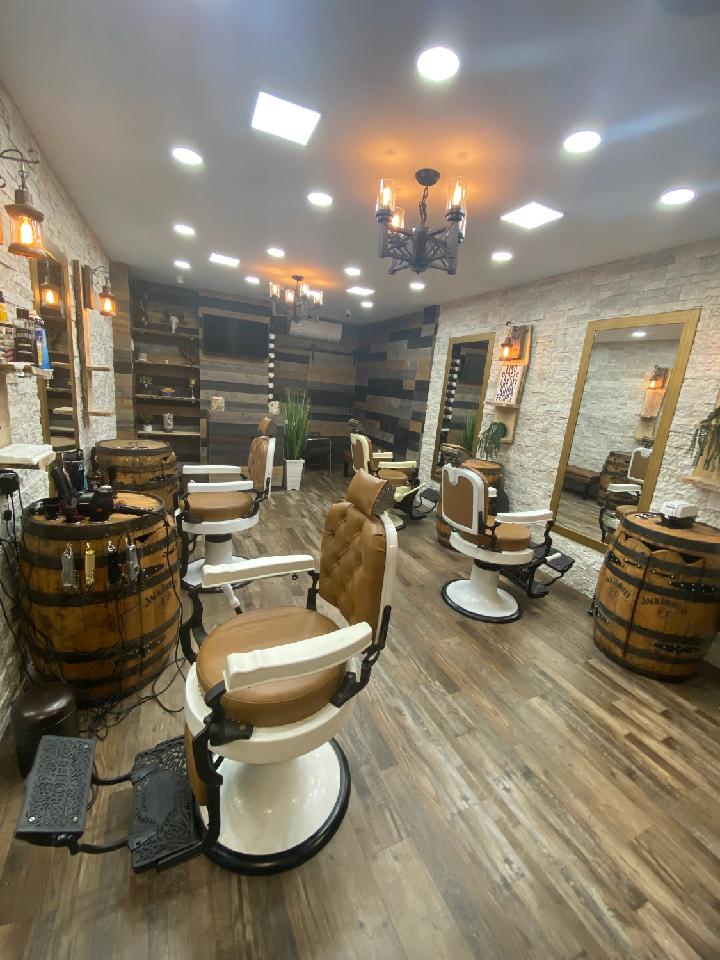
Exploring the History of Men’s Haircut Styles

Exploring the History of Men’s Haircut Styles

Contact Us

Mankind Barbers NYC

  • Address: 328 East 66th Street, East Store, New York, NY 10065
  • Phone: (718) 644-9536
  • Email: mankindbarbersnyc@mail.com

© Copyright - All Rights Reserved